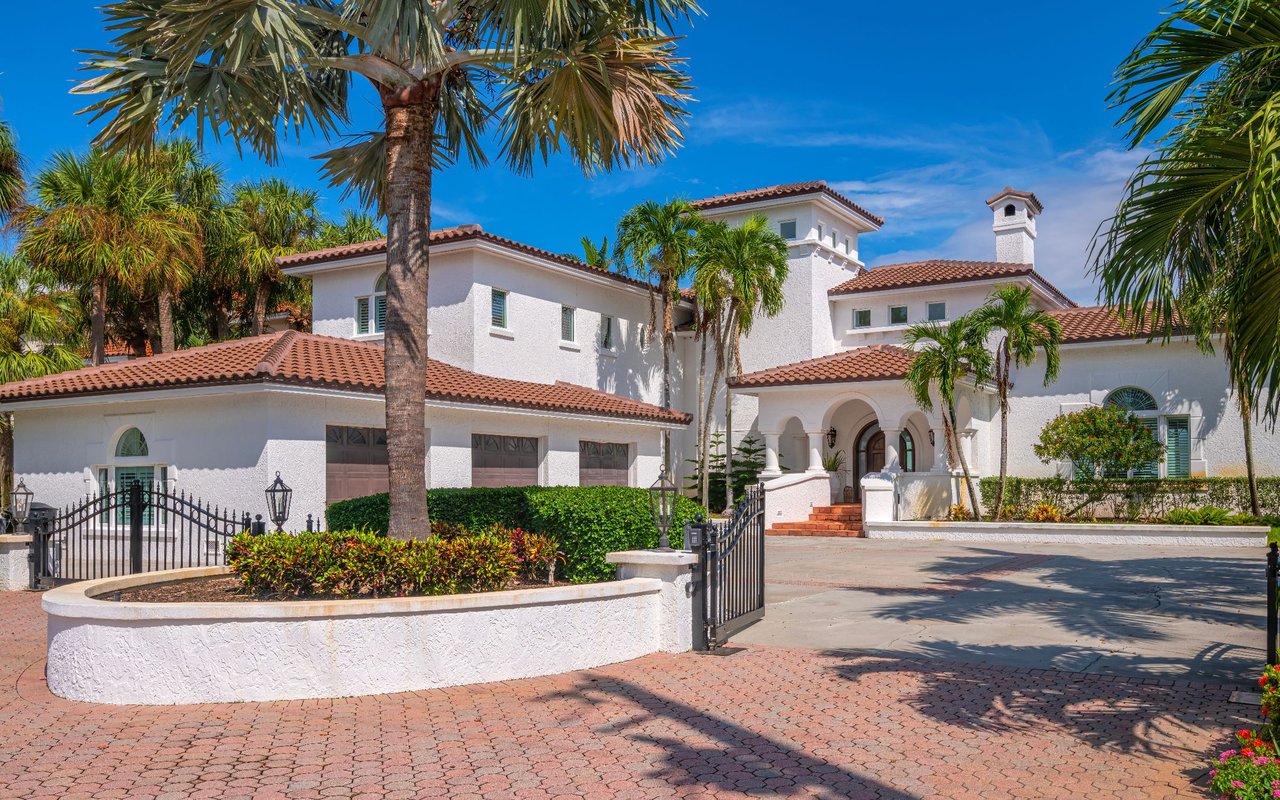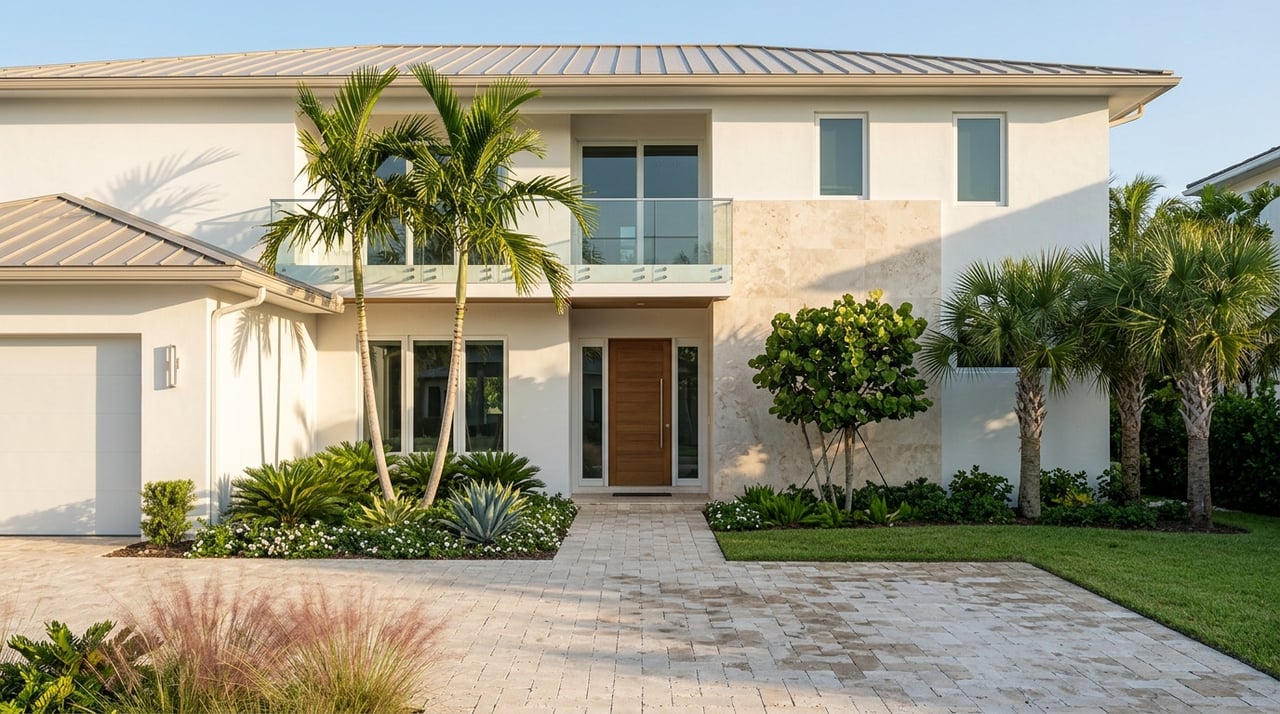
What does everyday life actually feel like in a small coastal town where the ocean is on one side and the lagoon is on the other? If you are considering a move to Melbourne Beach, you probably want more than a map pin and a few listing photos. You want to know how the town moves, where people spend time, and what daily routines really look like. Let’s take a closer look at the everyday coastal lifestyle in Melbourne Beach.
A small, established coastal town
Melbourne Beach is a barrier island town in Brevard County, set between the Atlantic Ocean and the Indian River Lagoon. Florida EDR’s 2023 estimate puts the population at 3,248, which gives the town a notably small-scale feel. It is also described in the town’s planning documents as essentially fully developed, with only scattered vacant lots remaining.
That matters if you are drawn to places with a settled, established character. Melbourne Beach is not a fast-growing area still taking shape. Instead, it offers a more rooted environment where the layout, public spaces, and daily patterns already feel defined.
Ocean on one side, lagoon on the other
One of the biggest lifestyle draws in Melbourne Beach is the contrast between the two waterfront edges of town. To the east, you have the Atlantic coastline with beach parks, dune crossovers, and open shoreline. To the west, you have the Indian River Lagoon, where places like Ryckman Park offer sunset-facing views and a quieter waterside setting.
That ocean-versus-lagoon rhythm shapes daily life in a real way. Your mornings might start with a beach walk, and your evenings could end watching the light change over the lagoon. For many buyers, that balance is part of what makes Melbourne Beach feel distinct from larger beach communities.
Outdoor life is part of the routine
In Melbourne Beach, outdoor access is not just a weekend perk. It is woven into the normal flow of the week. Brevard County lists a strong lineup of parks in or around town, including Bonsteel Park, Spessard Holland North Beach Park, Spessard Holland South Beach Park, Val M. Steele Park, Juan Ponce de Leon Landing, Long Point Park, and Doc Ehrhart Sanctuary.
Each of these spaces supports a slightly different kind of outing. Bonsteel Park offers ADA beach access and a boardwalk connection to the Barrier Island Sanctuary. The Spessard Holland parks include amenities such as seasonal lifeguards, restrooms, showers, pavilions, and beach crossovers.
Val M. Steele Park adds another layer with a 36.9-acre beach park and sea turtle nesting site. Nearby natural areas also support a more low-key, nature-focused lifestyle for people who enjoy trails, wildlife, and conservation spaces. If you value easy access to open air and water, Melbourne Beach makes that part of everyday living.
Nature and community often overlap
One of the more unique parts of living in Melbourne Beach is how closely outdoor recreation and environmental awareness are tied together. Near Bonsteel Park, the Barrier Island Center serves as the primary visitor center for the Archie Carr Wildlife Refuge. The area includes trails, a boardwalk link, and nature education resources.
That gives the town a lifestyle that feels connected not only to the coast, but also to stewardship of it. The civic tone here leans toward parks, wildlife, and environmental awareness. For buyers who want a place that feels engaged with its coastal setting, that can be a meaningful part of the appeal.
Ryckman Park helps anchor town life
If there is a central gathering place that reflects the town’s community rhythm, Ryckman Park is a strong example. The town notes that the pavilion faces west toward the Indian River Lagoon, and the Community Center there hosts town-sponsored meetings and gatherings. It is a practical public space, but it also adds to the visual and social identity of Melbourne Beach.
Many of the town’s public events are centered around this park setting. Official event pages feature activities such as Nature Day, Founders Day, Spring Fest & Kids Business Fair, Tree Lighting Ceremony, Sunset Yoga, Tai Chi, and Golf Cart Trunk or Treat. That pattern suggests a community calendar built around local participation, wellness, and shared public spaces rather than a nightlife-driven scene.
Getting around is practical and local
Melbourne Beach works best if you like a simple, short-trip lifestyle. According to the town’s planning support document, the main east-west access to the mainland runs over the Melbourne Causeway. Within town, A1A, Ocean Avenue, Oak Street, and Riverside Drive serve as the main internal corridors.
The same document notes that bikeways are striped on A1A, Ocean Avenue, and Oak Street. Sidewalks exist on some corridors, but they are limited in other areas. Transit service is not available in Melbourne Beach, and the nearest SCAT service is in Indialantic.
In day-to-day terms, that means most people rely on cars, bikes, or golf carts for local movement. The town’s mobility information also highlights an EV charging station near the Community Center, golf-cart parking, and more than 15 bike racks around the community. If you prefer a highly urban, transit-oriented pattern, this may not be the right fit. If you value easy local trips and a more relaxed pace, it can feel very convenient.
Everyday services are straightforward
Daily logistics in Melbourne Beach are handled through a mix of local and regional providers. Water service comes from the City of Melbourne Water Department, while sewer service is provided by Brevard County Utility Services. The town’s published trash calendar also creates a clear weekly routine: garbage collection on Wednesdays and Saturdays, recycling on Thursdays, and yard waste on Mondays.
Public Works maintains 19 miles of town streets and all town parks. The town also provides residents with flood protection resources and hurricane preparedness information, which is especially relevant in a coastal setting. For buyers relocating from outside the area, this practical side of coastal living is worth understanding early.
Coastal living includes resilience planning
A beautiful coastal location also comes with real environmental considerations. Melbourne Beach’s sustainability pages reflect an active focus on stormwater, water conservation, transportation, wildlife, and waste reduction. The swale program is designed to help reduce pollutants and flooding, which speaks to how the town manages everyday infrastructure in a coastal environment.
The town also enforces a single-use plastics ban during town events and rentals. That policy, along with the broader sustainability focus, reinforces the community’s civic identity. The result is a town that appears to take both quality of life and coastal stewardship seriously.
Dining stays local and manageable
Melbourne Beach is not built around a large restaurant district, and for many residents that is part of the charm. Visit Space Coast’s local listings point to a compact mix of dining options on and near Ocean Avenue and A1A. Spots listed include Djon’s Steak & Lobster House, Ocean 302 Bar & Grill, Sunnyside Café, Sand on the Beach, and Café Coconut Cove.
That mix supports a range of everyday occasions without feeling overbuilt. You can find breakfast, casual seafood, river-view dining, and a more formal dinner setting, but the overall pattern stays local and familiar. If you prefer a lifestyle built around a handful of go-to places rather than a busy commercial strip, Melbourne Beach fits that profile well.
Local history adds another layer
The Old Town Hall History Center adds a heritage element that helps ground the town’s identity. The restored building is used for history exhibits, art, education, and community functions. Its mission is to educate the public about the history of Melbourne Beach and the South Beaches.
The center is open on Saturdays, and the town notes it can be reached by bicycle via Oak Street or A1A. For residents, this kind of place adds texture to everyday life. It helps Melbourne Beach feel not just scenic, but also connected to its own story.
Seasonal traditions help define the lifestyle
Some of the most memorable lifestyle details are the ones that make a place feel personal. In Melbourne Beach, one example is recreational beach fires in designated pits from 5:00 PM to 11:00 PM during November through February, with a permit. It is a specific rule, but it says a lot about the town’s character.
This is the kind of coastal setting where simple traditions still matter. Community events, public parks, history programming, and even permitted beach fires all contribute to a daily experience that feels grounded and local. For many buyers, that is exactly the point.
Who Melbourne Beach may suit best
Melbourne Beach tends to appeal to people who want a quieter, established coastal town with strong access to nature and a practical daily rhythm. It may be a good fit if you value:
- A small-town setting with an established feel
- Easy access to both the beach and the lagoon
- Parks, trails, and outdoor recreation woven into daily life
- Short local trips by car, bike, or golf cart
- Community events centered on parks and public spaces
- A compact dining scene with familiar local spots
- A town culture that reflects environmental awareness
It may be less ideal if you want extensive transit, a large shopping corridor, or a more nightlife-focused atmosphere. The lifestyle here is more about steady coastal routines than constant activity.
Why lifestyle guidance matters
If you are exploring homes in Melbourne Beach, the lifestyle details matter just as much as square footage or finishes. In a place like this, the difference between living near the ocean side, closer to the lagoon, or near a favorite park can shape your day-to-day experience in meaningful ways. That is especially true for relocation buyers, second-home shoppers, and anyone trying to understand the area from a distance.
A good local guide helps you connect the home search to the lifestyle you actually want. That includes how you get around, where you will spend time, and what kind of community rhythm feels right for you. In a market as nuanced as Melbourne Beach, that local perspective is valuable.
If you are considering a move to Melbourne Beach or want a clearer picture of which part of the area best fits your goals, Tracy Ryland offers thoughtful, high-touch guidance rooted in local knowledge and a refined understanding of Space Coast coastal living.
FAQs
What is everyday life like in Melbourne Beach, Florida?
- Everyday life in Melbourne Beach tends to center on beach access, lagoon views, local parks, short car or bike trips, and community events held in shared public spaces like Ryckman Park.
Is Melbourne Beach a large beach town?
- No. Florida EDR’s 2023 estimate puts the population at 3,248, and town planning documents describe Melbourne Beach as an established community that is essentially fully developed.
How do people get around in Melbourne Beach?
- Most day-to-day travel is practical and local, with cars, bikes, and golf carts playing a larger role than transit. The town reports striped bikeways on A1A, Ocean Avenue, and Oak Street, while transit service is not available within Melbourne Beach.
What parks and outdoor spaces are in Melbourne Beach?
- Brevard County lists several parks in or around Melbourne Beach, including Bonsteel Park, Spessard Holland North Beach Park, Spessard Holland South Beach Park, Val M. Steele Park, Juan Ponce de Leon Landing, Long Point Park, and Doc Ehrhart Sanctuary.
Does Melbourne Beach have community events?
- Yes. Official town event pages feature activities such as Nature Day, Founders Day, Spring Fest & Kids Business Fair, Tree Lighting Ceremony, Sunset Yoga, Tai Chi, and Golf Cart Trunk or Treat.
What dining options are available in Melbourne Beach?
- The dining scene is compact and local, with listed options on and near Ocean Avenue and A1A including Djon’s Steak & Lobster House, Ocean 302 Bar & Grill, Sunnyside Café, Sand on the Beach, and Café Coconut Cove.
What should buyers know about practical living in Melbourne Beach?
- Buyers should understand that coastal living here includes day-to-day logistics like scheduled trash and recycling service, limited sidewalks in some areas, no local transit service, and the importance of flood protection and hurricane preparedness resources.
Is Melbourne Beach a good fit for relocation buyers?
- It can be a strong fit for relocation buyers who want a small, established coastal town with access to both the Atlantic Ocean and the Indian River Lagoon, along with a calm, community-focused lifestyle.