Buying your first home in Rockledge can feel exciting and overwhelming at the same time. You are likely balancing budget questions, loan options, home-condition concerns, and the pressure of making a smart decision in an unfamiliar process. The good news is that when you know what to expect, the path becomes much easier to navigate. Here is a clear look at how first-time buying in Rockledge usually works, and where to focus your attention along the way.
Rockledge gives you a range of options
If you are just starting your search, it helps to know what kind of housing market Rockledge offers. Census and UF/ACS data show that Rockledge is primarily a detached-home market, with 9,008 single-family units, 2,735 multi-family units, and 239 mobile-home units. The city also has a 78.0% owner-occupied housing rate, with a median owner-occupied home value of $338,100.
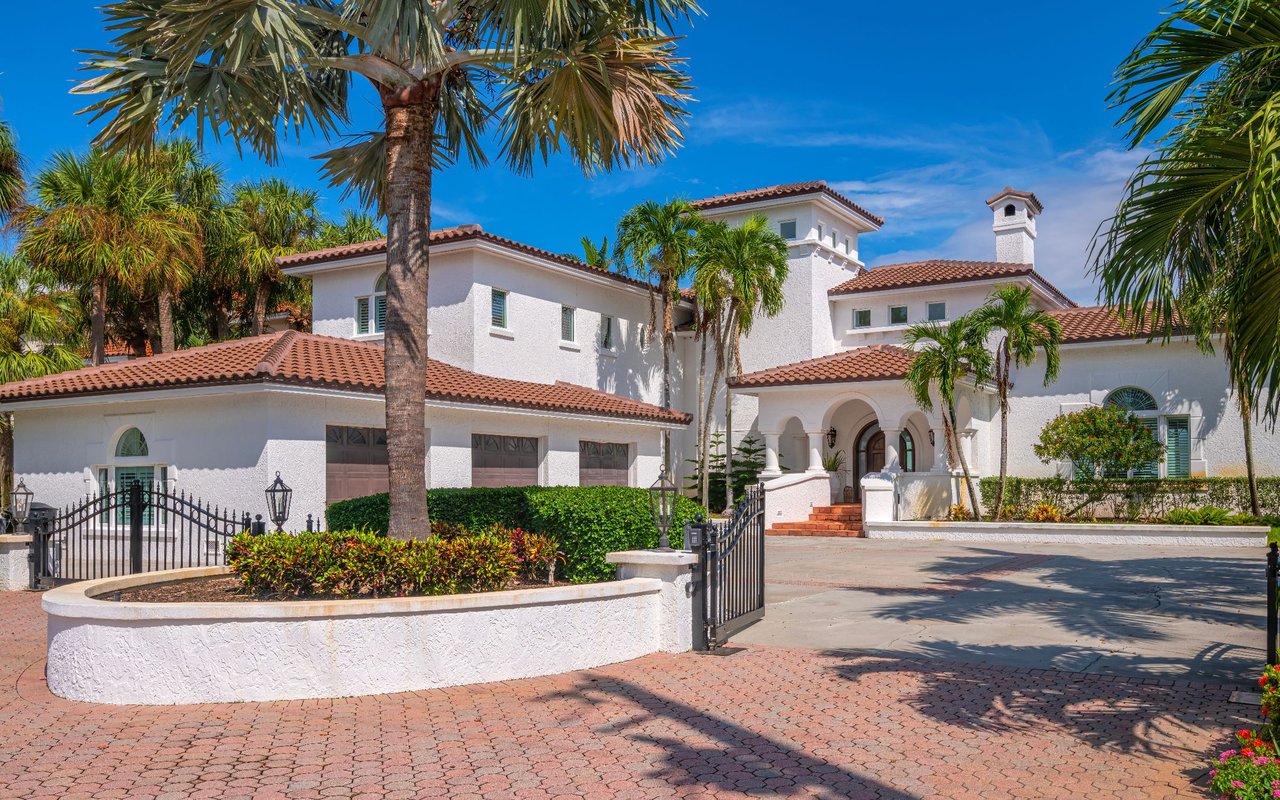
That mix can be helpful for a first-time buyer because you are not looking at just one type of home. Rockledge includes older residential areas, especially east of Florida Avenue and along the Indian River, as well as homes from more recent decades. In practical terms, your search may include older character homes, updated properties, and newer construction depending on your budget and goals.
Start with loan prep
Before you tour too many homes, get clear on what you can comfortably afford. A preapproval letter is a lender’s tentative statement that they are willing to lend up to a certain amount after reviewing your income, assets, debts, and credit record. This gives you a stronger sense of your price range and helps you move more confidently when you find a home you like.
It is also smart to compare at least three loan offers before choosing a mortgage. Even small differences in rate, fees, and loan terms can affect your monthly payment and your cash needed at closing. Shopping carefully at the beginning can save you money over the life of the loan.
Expect the process to take weeks
Many first-time buyers assume everything happens quickly once an offer is accepted. In reality, the mortgage process usually takes time. CFPB research found that the mortgage origination process commonly takes about one to two months from application to closing, with a reported median of 35 to 57 days.
In Florida, the standard residential contract also builds in specific timelines. If left blank, the default loan-approval period is 30 days, the buyer must make the financing application within 5 days, and the default inspection period is 15 days. That means your timeline will likely move in stages, not all at once.
Know the key contract windows
Once you go under contract, the most important thing is staying on top of deadlines. Missing a financing or inspection deadline can limit your options later. For first-time buyers, this is where professional guidance and strong organization matter most.
Here are a few timelines that commonly shape the deal in Florida:
- Financing application: 5 days if the contract blank is not filled in
- Loan approval period: 30 days if left blank
- Inspection period: 15 days if left blank
- Closing disclosure timing: your lender must provide the Closing Disclosure at least 3 business days before closing
- Possible closing extension: closing can be extended up to 7 days to satisfy Closing Disclosure timing requirements
These dates are one reason the process can feel busy after your offer is accepted. The early part of the contract is when many of the biggest decisions happen.
Inspections matter in Rockledge
Your inspection period is one of the most important protections you have as a buyer. Under Florida Realtors forms, buyers are given a period for general inspections, wood-destroying organism inspections, and permit inspections. In many cases, this is your main due-diligence window to investigate the property and decide whether to move forward.
That matters in Rockledge because housing age can vary widely. If you are looking at an older home, or a home that has been renovated, inspections can help you better understand condition, repairs, and whether any work may need closer review. This is especially important before you waive rights or move past your inspection window.
Under the AS IS form, if the inspection period is left blank, it defaults to 15 days. During that time, the buyer can terminate by written notice if the property is not acceptable. For a first-time buyer, that makes this period one of the most important checkpoints in the entire transaction.
Older homes may need extra review
Because Rockledge includes some older housing stock, age-related disclosures can come into play. If a home was built before 1978, lead-based paint disclosure is required. This does not automatically mean there is a problem, but it does mean you should understand what is being disclosed and ask questions as needed.
If you are comparing an older home with a newer one, your decision may come down to tradeoffs. One home may offer established character or location, while another may offer newer systems or fewer immediate updates. The right fit depends on your comfort level, budget, and long-term plans.
Flood review should be standard
In Rockledge, flood review is not just for obvious waterfront homes. For riverfront, waterfront, or low-lying properties, you should verify flood risk before closing. Brevard County Public Works is the official repository for FEMA flood maps in the county, and FEMA’s Map Service Center is the official source for flood-hazard information.
Flood insurance can also become part of your budget. NFIP guidance states that if you have a government-backed mortgage on a property in a high-risk flood zone, flood insurance is required. Florida law also now requires a seller to provide a flood disclosure to a purchaser of residential real property at or before contract execution, so this review should happen early.
HOA and condo steps can add time
If you buy in a homeowners association or condominium community, expect an extra layer of review. Association documents, rules, and possible transfer or application fees can affect both timing and cost. Florida Realtors also warns buyers not to execute the contract until they have received and read the HOA or community disclosure, when applicable.
For a first-time buyer, this part of the process can be easy to overlook. Monthly dues, approval steps, use restrictions, and move-in procedures may all matter to your decision. If the property is in an HOA or condo, build in time to review those details carefully.
Closing costs are separate from your down payment
A common surprise for first-time buyers is that your down payment is not the only cash you need. Closing costs are a separate group of loan and settlement charges. Your lender must provide the Closing Disclosure at least 3 business days before closing, which is when final numbers typically come into sharper focus.
Under the Florida residential contract defaults, the seller typically pays documentary stamp taxes and surtax on the deed. The buyer typically pays taxes and recording fees on notes and mortgages, appraisal fees, buyer inspections, survey costs if needed, lender’s title policy and endorsements, and property-related insurance, unless different terms are negotiated.
This is why early budgeting matters. In addition to your down payment, plan for lender fees, inspections, prepaids, insurance, and other closing-related charges so there are fewer surprises at the end.
Do not assume current taxes will stay the same
Another important first-time buyer lesson is that the seller’s current property taxes may not reflect what you will pay after closing. Florida’s required property-tax disclosure warns buyers not to rely on the current amount because a change of ownership can trigger reassessment. That means your future tax bill could be different from the one shown on a current listing or tax record.
If you are building a monthly budget, this is worth discussing early. A home that looks comfortable on paper can feel different if taxes, insurance, or flood-related costs change after purchase. Looking at the full ownership picture helps you buy with more confidence.
Do not forget homestead exemption
If the Rockledge home will be your primary residence, homestead exemption should be on your post-closing checklist. In Brevard County, applicants must qualify on or before January 1 and file with the Property Appraiser on or before March 1. Missing that deadline can delay the benefit.
This is one of those small administrative steps that can have a meaningful impact. Once you close, it helps to create a simple checklist for documents, deadlines, and any local follow-up tasks tied to your new home.
A simple first-time buyer checklist
If you want to keep the process manageable, focus on these steps first:
- Get preapproved and review your budget carefully.
- Compare at least three lenders.
- Narrow your search based on home type, age, and location.
- Watch contract deadlines closely once you go under contract.
- Use the inspection period to review condition, permits, and any concerns.
- Verify flood risk, especially for river-adjacent or low-lying homes.
- Review HOA or condo documents if the property has an association.
- Budget for closing costs, insurance, taxes, and prepaids.
- Read your Closing Disclosure before signing.
- File for homestead exemption if the home will be your primary residence.
Buying your first Rockledge home with clarity
First-time buying in Rockledge is easier when you know where the real decision points are. The biggest ones are usually financing, inspections, flood review, closing costs, and understanding how the property fits your long-term budget. Once those pieces are clear, the process tends to feel much more manageable.
A calm, informed approach can make a real difference, especially in a market with a mix of older homes, newer homes, and properties with unique location factors. If you want experienced, detail-focused guidance as you explore your first home in Rockledge, Tracy Ryland offers thoughtful support tailored to the Space Coast market.
FAQs
What should a first-time homebuyer in Rockledge do first?
- Start by getting preapproved, reviewing your budget, and comparing at least three lenders so you understand what you can afford before making offers.
How long does it take to buy a home in Rockledge?
- From mortgage application to closing, the process commonly takes about one to two months, and often falls in the 35 to 57 day range.
Why is the inspection period important for Rockledge buyers?
- The inspection period is your main due-diligence window to evaluate the home’s condition, review permits, and decide whether the property is acceptable before moving forward.
Do older homes in Rockledge need special attention?
- Yes. Older homes may call for closer inspection of condition and updates, and homes built before 1978 require a lead-based paint disclosure.
Should buyers check flood zones in Rockledge?
- Yes. Flood review should be a standard part of due diligence for riverfront, waterfront, or low-lying properties before closing.
What extra costs should first-time buyers in Rockledge expect?
- In addition to your down payment, budget for closing costs, inspections, insurance, lender fees, recording-related charges, and possible HOA or condo fees.
Can property taxes change after buying a Rockledge home?
- Yes. A change of ownership can trigger reassessment, so you should not rely on the seller’s current tax bill as your future amount.
When should a Rockledge homeowner file for homestead exemption?
- If the home is your primary residence, you must qualify on or before January 1 and file with the Brevard County Property Appraiser on or before March 1.