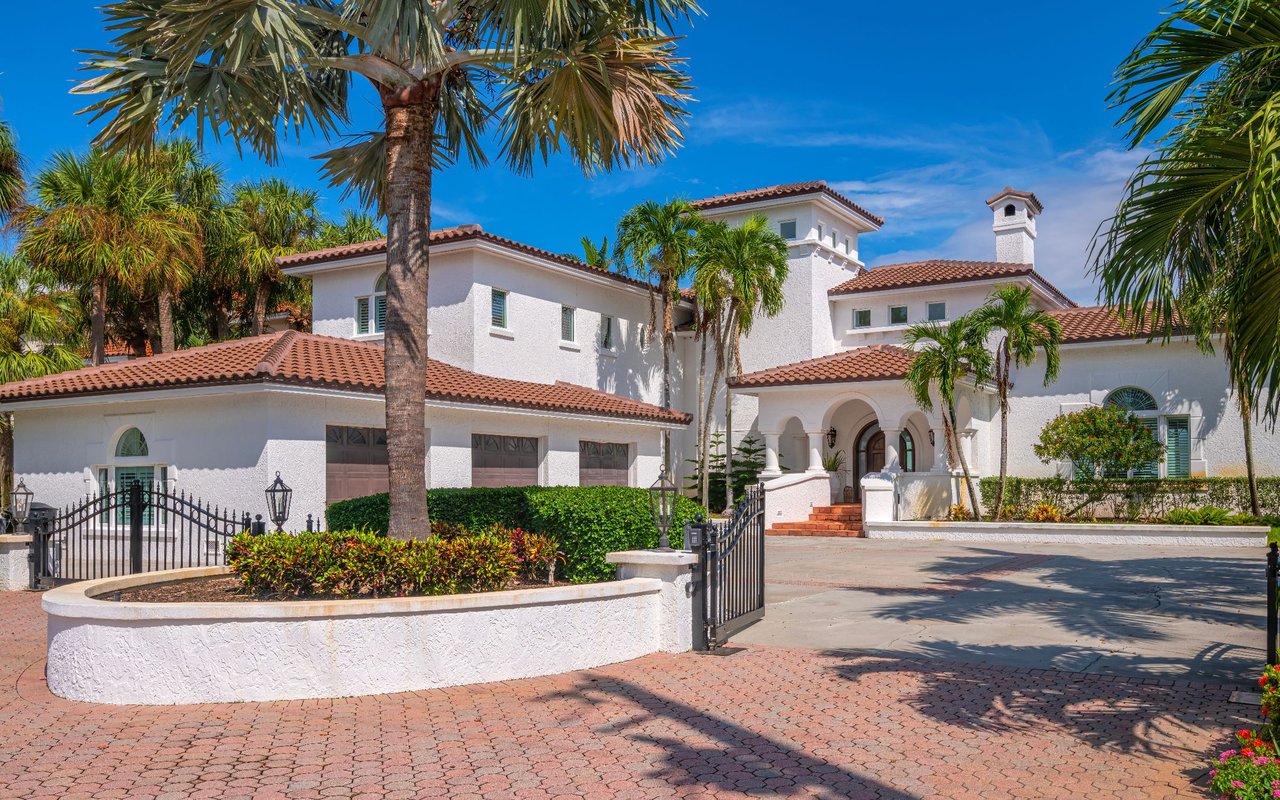
Trying to decide between a condo and a house in Cocoa Beach? On the surface, it can feel like a simple choice about size or style, but on a barrier island, the decision is also about maintenance, storm prep, association rules, and how you want to live day to day. If you are weighing convenience against independence, this guide will help you compare the tradeoffs clearly so you can choose with confidence. Let’s dive in.
Why This Choice Matters in Cocoa Beach
Cocoa Beach is shaped by water on both sides, with the Atlantic Ocean to the east and the Banana River Lagoon to the west. That coastal setting is a big part of the appeal, but it also means flood risk, storm readiness, and long-term upkeep deserve more attention than they might in an inland market.
The city’s planning documents emphasize coastal-resource protection and development limits tied to natural-disaster exposure. For you as a buyer, that means your decision is not only about floor plan or price point. It is also about how much responsibility you want to carry for the property itself.
Condo vs Home: The Core Difference
In Cocoa Beach, the biggest difference between a condo and a single-family home is often not the address or the view. It is how much of the exterior maintenance, shared property care, and decision-making shifts to an association.
A condo often feels more like a lock-and-leave option. A single-family home usually offers more direct control and privacy, but that often comes with more hands-on responsibility for the structure, yard, and storm preparation.
What Condo Ownership Usually Means
Under Florida’s Condominium Act, the association is responsible for maintaining, repairing, and replacing the condominium property it is assigned to manage. Common expenses can include maintenance, repair, replacement, protection, and association insurance.
Florida law also gives condo associations significant control over hurricane protection and access to units when needed for maintenance or to prevent damage. That can be helpful in a coastal setting, but it also means you may have less individual control than you would in a detached home.
What Home Ownership Usually Means
With a single-family home, you typically have more direct control over the structure and lot. If you want more privacy, outdoor space, storage, or flexibility to customize, a house may feel like the better fit.
That said, a house is not always free from association oversight. In Florida, homeowners’ associations can be mandatory, and assessments or amenity fees may apply under the community’s governing documents. Unpaid assessments can also become liens, so it is important to understand the rules before you buy.
Lifestyle Fit: Which Option Matches You?
The right choice often comes down to how you plan to use the property and how involved you want to be in ongoing upkeep. In Cocoa Beach, both property types can work well, but they serve different priorities.
A Condo May Fit Best If You Want Simplicity
A condo may be a strong fit if you want:
- Simpler exterior maintenance
- A smaller ownership footprint
- Easier seasonal or second-home use
- Shared management of many building-related responsibilities
For many buyers, that lower-maintenance feel is a major benefit in a coastal environment. If you plan to spend only part of the year in Cocoa Beach, a condo can offer a more manageable setup.
A Home May Fit Best If You Want More Control
A single-family home may be a better fit if you want:
- More privacy
- Yard space
- Extra storage
- More freedom to personalize the property
- Greater separation from neighbors and shared building decisions
That extra flexibility can be very appealing, especially if this will be your full-time residence. Just remember that more control often means more responsibility too.
Costs to Compare Beyond the Sale Price
When you compare condos and homes in Cocoa Beach, the purchase price is only one part of the story. Ongoing costs can look very different depending on the property type, building age, and community structure.
Condo Fees and Reserve Funding
Florida condo common expenses can include more than routine services. They may cover insurance, road maintenance, communications, security, and other costs tied to the general benefit of owners.
Recent Florida condo law also requires structural-integrity reserve studies for many buildings that are three habitable stories or higher, and reserve funding must align with the most recent study. In practical terms, that means some older condo buildings may carry meaningful financial obligations beyond the monthly fee.
Home Costs Can Be Less Bundled
With a single-family home, costs may feel less centralized because you are often handling more items directly. Depending on the property and community, that could include exterior upkeep, landscaping, repairs, storm prep, and any HOA assessments that apply.
A house may not have the same type of monthly condo fee structure, but that does not always mean lower overall ownership costs. It simply shifts where and how those costs show up.
Due Diligence Matters More With Condos
If you are considering a condo in Cocoa Beach, expect the review process to be more document-heavy than it would be for many detached homes. Florida law requires a resale condo buyer to receive key records such as the declaration, articles, bylaws, rules, annual financial statement, budget, and FAQ document.
If applicable, buyers must also receive the latest milestone-inspection summary and structural-integrity reserve study. The contract can be voidable if required documents are not delivered within the statutory timeframes, which makes careful review especially important.
Condo Documents to Review Closely
Before moving forward, pay close attention to:
- Monthly association fees
- Current budget and financial statements
- Reserve funding levels
- Rules and restrictions
- Milestone-inspection summaries, if applicable
- Structural-integrity reserve studies, if applicable
- Any planned major maintenance projects
- Any current or proposed special assessments
Florida condo associations must maintain budgets and accounting records as official records, and owners can inspect them after a written request. That transparency can help you make a better-informed decision.
Flood Risk and Storm Prep Should Shape Your Decision
In Cocoa Beach, flood and coastal exposure are not side issues. They are part of the ownership picture.
FEMA’s Flood Map Service Center is the official source for flood-hazard information, and coastal flood maps identify special flood hazard areas where storm surge and waves create high risk. Because Cocoa Beach sits on a barrier island, your exact address can have a major effect on flood-zone considerations and insurance implications.
Why This Can Influence Condo vs Home
For some buyers, a condo feels more manageable because parts of the building exterior and common areas are handled through the association. For others, a detached home is worth the added responsibility because they want more control over the property and how it is maintained.
Neither option removes the need to understand flood exposure. The key is knowing what applies to the specific property, what the association covers if there is one, and what remains your responsibility.
If You Plan to Rent, Check Local and Association Rules
If you hope to use the property as a second home with rental income, do not assume every condo or house will work the same way. In Cocoa Beach, local rules matter just as much as the property type.
The city states that all vacation rentals must register with the city. On top of that, condo declarations or HOA covenants may place additional limits on leasing or other use rules, so it is important to make sure your plans align with both city requirements and community documents.
Questions to Ask Before You Choose
If you are torn between a condo and a home in Cocoa Beach, these questions can help clarify the best fit:
- What exactly is covered by the condo association or HOA?
- What maintenance and storm-prep responsibilities would be yours?
- Are there current or planned special assessments?
- Is there a reserve shortfall or a major repair project coming up?
- Is the building subject to a milestone inspection or structural-integrity reserve study?
- What flood zone applies to the exact address?
- How could that affect insurance and ownership costs?
- If you want rental income, do city rules and association rules allow your intended use?
The more clearly you can answer these questions, the easier it becomes to choose the property type that supports your lifestyle and long-term comfort.
The Best Choice Depends on How You Want to Live
There is no one-size-fits-all answer in Cocoa Beach. A condo may offer the convenience and ease you want, especially if you are buying a second home or prefer a simpler ownership experience. A single-family home may be the better match if privacy, outdoor space, and flexibility matter more to you.
The goal is to look beyond the brochure and understand how each option works in real life on the Space Coast. When you weigh maintenance, documents, flood considerations, use rules, and your day-to-day lifestyle, the right choice becomes much clearer.
If you are comparing condos and homes in Cocoa Beach and want calm, informed guidance tailored to your goals, Tracy Ryland is here to help you evaluate your options with clarity and confidence.
FAQs
What is the biggest difference between a condo and a home in Cocoa Beach?
- In Cocoa Beach, the main difference is usually how much maintenance, exterior responsibility, and decision-making is handled by an association versus by you as the owner.
Are condo fees in Cocoa Beach only for amenities?
- No. Under Florida law, condo common expenses can also include items like insurance, maintenance, repair, replacement, security, communications, and other shared costs.
Can a single-family home in Cocoa Beach still have HOA rules and fees?
- Yes. In Florida, a single-family home can still be part of a mandatory HOA with recurring assessments, community rules, and shared-area obligations.
What condo documents should buyers review in Florida?
- Buyers should review the declaration, articles, bylaws, rules, annual financial statement, budget, FAQ document, and if applicable, milestone-inspection summaries and structural-integrity reserve studies.
Does flood risk matter for both condos and homes in Cocoa Beach?
- Yes. Because Cocoa Beach is a barrier-island community, flood-zone and coastal-risk considerations can affect both condos and homes, and they should be reviewed for the exact property address.
Can you use a Cocoa Beach condo or home as a vacation rental?
- Possibly, but you need to confirm both the City of Cocoa Beach registration requirements and any condo or HOA rules that may limit leasing or rental use.