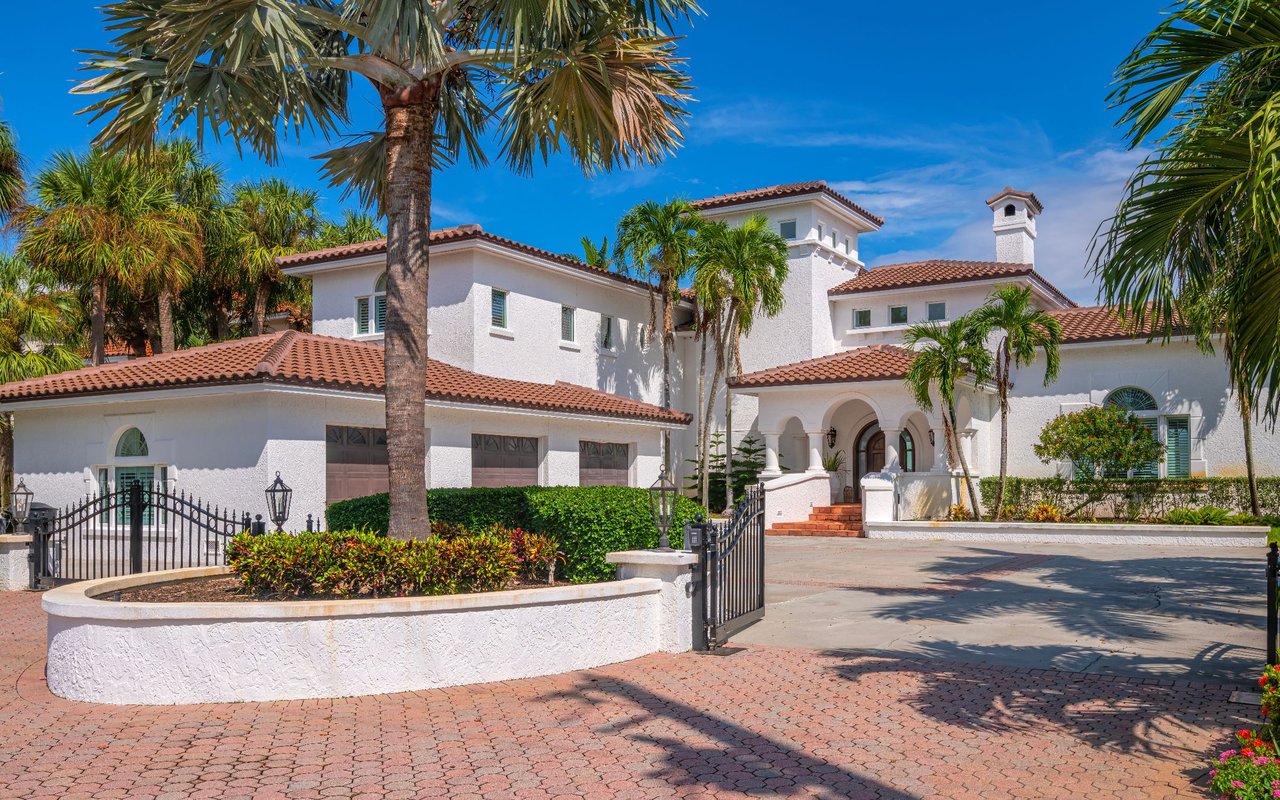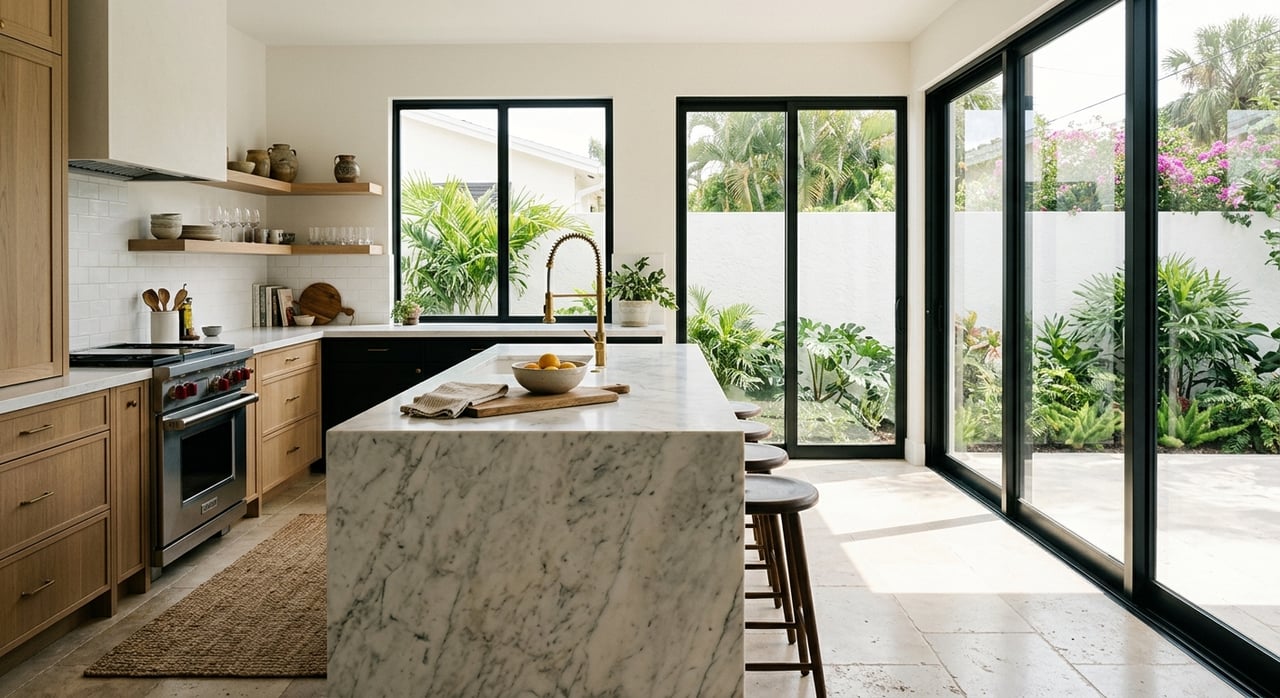
Dreaming about a place where your weekends can include beach walks, lagoon views, and an easy coastal rhythm? Buying a second home in Vero Beach can be exciting, but it also comes with questions that matter more here than they might in other markets. If you are weighing lifestyle, budget, rental potential, and the realities of coastal ownership, this guide will help you focus on what to look for before you buy. Let’s dive in.
Why Vero Beach Appeals to Second-Home Buyers
Vero Beach offers a mix of natural beauty and everyday convenience that draws many second-home buyers to Florida’s Treasure Coast. Local tourism information highlights beaches, downtown dining, galleries, Riverside Theatre, and the Vero Beach Museum of Art as key attractions. That mix can make the area appealing whether you want a quiet retreat, a seasonal escape, or a property you may use part-time.
The local setting also shapes the kinds of homes you will likely compare. In Vero Beach, many buyers look at barrier-island condos and oceanfront homes alongside mainland single-family homes and river- or lagoon-adjacent properties. Because the Indian River Lagoon is such a defining feature of the area, location choices often come down to how close you want to be to the water and what tradeoffs come with that choice.
Compare Vero Beach Property Types
Barrier-island and oceanfront homes
If you are drawn to direct beach access or near-ocean living, barrier-island and oceanfront properties may be at the top of your list. These homes can offer the coastal lifestyle many second-home buyers want most. They can also bring added due diligence around flood exposure, wind risk, association rules, and coastal regulations.
For properties close to the ocean, it is wise to check whether the parcel is affected by Florida’s Coastal Construction Control Line program. That program regulates structures and activities that may cause beach erosion, destabilize dunes, damage upland property, or interfere with public access. Reviewing FEMA flood maps before making an offer is also an important step for near-ocean and oceanfront purchases.
Mainland homes and lagoon-adjacent properties
Mainland single-family homes and river- or lagoon-adjacent properties can offer a different balance of lifestyle and upkeep. You may still enjoy water proximity, boating access, or scenic views while avoiding some of the conditions that come with direct beachfront ownership. That said, water-adjacent property still calls for careful review of insurance, drainage, and maintenance needs.
Indian River County notes that the Indian River Lagoon ecosystem has more than 4,300 species associated with it. For many buyers, that reinforces the appeal of homes near the lagoon. It also highlights why site conditions, drainage, and environmental context deserve a close look during your search.
Condos versus single-family homes
Condos can be attractive if you want a lock-and-leave option for seasonal use. A condo may reduce some exterior maintenance responsibilities, but it can also come with association rules that affect leasing, parking, pets, and use of the property. Before you write an offer, ask for the declaration, bylaws, rules, and leasing policy.
Florida condominium disclosure law specifically points buyers to unit-use restrictions, including leasing restrictions. In practice, that means the condo documents can be just as important as the property itself, especially if you hope to rent the home on short stays. A beautiful unit is not enough if the governing documents do not fit how you plan to use it.
Budget Beyond the Purchase Price
A second-home budget in Vero Beach should go well beyond mortgage, cash-to-close, and standard ownership costs. Florida property tax rules, local assessments, insurance, and ongoing maintenance can all affect the real cost of ownership. Getting clear on these items early can help you avoid surprises later.
Understand homestead and tax changes
If you are buying a true second home, the safest assumption is that Florida homestead tax relief will not apply unless the property becomes your primary residence. The county property appraiser determines whether a parcel qualifies. This matters because homestead benefits are tied to permanent residence status.
Florida also notes that non-homestead assessed value can rise by up to 10 percent year over year. That means a second home may feel the effect of reassessment more quickly than a homesteaded primary residence. If you are planning long-term ownership, this is an important factor in your future budget.
Know what shows up on the tax bill
In Indian River County, property tax bills combine ad valorem taxes and non-ad valorem assessments. Those added assessments can include charges such as solid waste, drainage, or street lighting. Even if the home price fits your budget, these line items still deserve review.
The county mails bills by November 1. Early-payment discounts are 4 percent in November, 3 percent in December, 2 percent in January, and 1 percent in February. Gross taxes are due in March, and unpaid taxes become delinquent on April 1 of the following year.
Plan for Coastal Maintenance and Insurance
Owning a second home near the coast often means planning for a different level of upkeep than you might expect inland. Wind exposure, salt air, landscaping, pool care, and drainage can all shape your maintenance schedule and annual costs. If you will not live in the home full-time, these details matter even more.
Salt air can be hard on exterior finishes, hardware, and mechanical systems. Seasonal ownership may also mean you need dependable help to monitor the property when you are away. A smart purchase decision looks not only at the home today, but also at how manageable it will be month after month.
If the property uses septic rather than public sewer, that should also be part of your due diligence. Indian River County’s vacation-rental materials specifically ask whether a unit is served by sewer or septic and whether a health-department-approved system evaluation is needed if septic records are missing. Even if you are not sure you will rent the property, those infrastructure details can still affect ownership planning.
Insurance deserves special attention as well. Before moving forward, ask for quotes or estimates related to flood insurance, wind insurance, and hurricane deductibles. These costs can vary meaningfully based on location, elevation, and property type.
Review Parking and Storage Rules Early
A second home near the beach often comes with lifestyle extras like bikes, golf carts, paddleboards, boats, trailers, or an RV. That is why parking and storage rules should be part of your property review from the start. A home that looks ideal on paper may be less practical if local rules limit how you can use the site.
The City of Vero Beach updated residential parking restrictions in 2025. The rules now limit where watercraft and trailers may be stored and prohibit certain larger vehicles in residential districts. If you plan to keep a boat, trailer, or similar equipment on-site, confirm what is allowed before you commit.
Think Carefully About Rental Potential
Many second-home buyers want the option to rent their property for part of the year. In Vero Beach, that can be possible, but only if the property, zoning, and governing documents support it. Rental income should never be assumed without careful verification.
How Florida defines a vacation rental
Florida defines a vacation rental as a lodging unit that is also a transient public lodging establishment. In general, that means it is rented to guests more than three times in a calendar year for periods of less than 30 days, or it is advertised or held out as regularly rented for those shorter stays. That definition matters because it can trigger licensing and tax obligations.
Unincorporated Indian River County rules
In unincorporated Indian River County, vacation rentals under 30 days are allowed. The county guide says owners must have a state DBPR license, local business tax receipt, tourist-development-tax registration, and county vacation-rental licensing. Owners also must follow rules related to parking, noise, and a ban on commercial events such as weddings at a residence.
The county guide also says rental ads or offerings must show the local license number, occupancy limit, vehicle limit, noise statement, and, for units east of SR A1A, a sea-turtle and dune-protection statement. If rental use is part of your plan, this is the kind of detail you want to understand before you buy, not after.
City of Vero Beach considerations
If the property is inside the City of Vero Beach, do not assume the county rules apply in the same way. Official city council minutes from February 2021 recorded that short-term rentals were allowed only in the C1-A and Downtown zoning districts. The city’s code-enforcement page also shows that residential parking rules were updated again in 2025.
Because of that, buyers should confirm the parcel’s current zoning and rental eligibility with city staff before treating the home like a rental property in their financial plans. A property’s address alone is not enough. City limits, zoning, and current rules all matter.
Lodging taxes can change the math
If you plan to rent on short stays, tax planning matters too. In Indian River County, taxable transient rentals point to a 12 percent lodging-tax stack based on the current county tourist development tax, county discretionary sales surtax, and the state sales-tax framework. Platform fees or HOA charges would be separate.
That does not mean a rental plan cannot work. It means you should evaluate the numbers carefully and realistically. Gross income projections are only useful if they reflect the actual tax and compliance structure tied to the property.
Questions to Ask Before You Make an Offer
If you are buying from out of town or trying to narrow your options quickly, a focused question list can save time and reduce risk. These questions are especially helpful for second-home buyers in Vero Beach:
- Is the property inside the City of Vero Beach or in unincorporated Indian River County?
- Is it a condo, townhome, or single-family home?
- What do the condo or HOA documents say about leasing and occupancy?
- What are the flood zone, flood-insurance, wind-insurance, and hurricane-deductible costs?
- Is parking adequate for your needs, including a golf cart, boat, or trailer?
- Is the property on public sewer or septic?
- Are there municipal or association rules about noise, trash, pets, or exterior storage?
- Does the property need any coastal or dune-related review?
A Smart Second-Home Purchase Starts With Clear Due Diligence
Buying a second home in Vero Beach is about more than choosing the prettiest view or the shortest walk to the beach. It is about matching your lifestyle goals with the right property type, ownership costs, maintenance demands, and any rental rules that may apply. When you understand those moving parts up front, you can buy with much more confidence.
If you want a calm, strategic approach to sorting through Vero Beach condos, oceanfront homes, or mainland options, working with a local advisor can make the process feel much clearer. For tailored guidance and concierge-style support, connect with Tracy Ryland.
FAQs
What should you budget for when buying a second home in Vero Beach?
- You should budget for more than the purchase price, including property taxes, non-ad valorem assessments, insurance, coastal maintenance, and possible septic, pool, or landscaping costs.
Does Florida homestead protection apply to a Vero Beach second home?
- Usually no, unless the property becomes your primary residence and qualifies through the county property appraiser.
Can you use a Vero Beach second home as a short-term rental?
- Possibly, but it depends on whether the property is in the city or unincorporated county, the parcel’s zoning, and any condo or HOA leasing restrictions.
Why do flood and wind insurance matter for Vero Beach second homes?
- They matter because homes closer to the coast may have greater exposure to flood and storm risk, which can significantly affect ownership costs.
What should you check before buying a condo in Vero Beach as a second home?
- You should review the declaration, bylaws, rules, and leasing policy, since association restrictions can affect rentals, parking, pets, and property use.